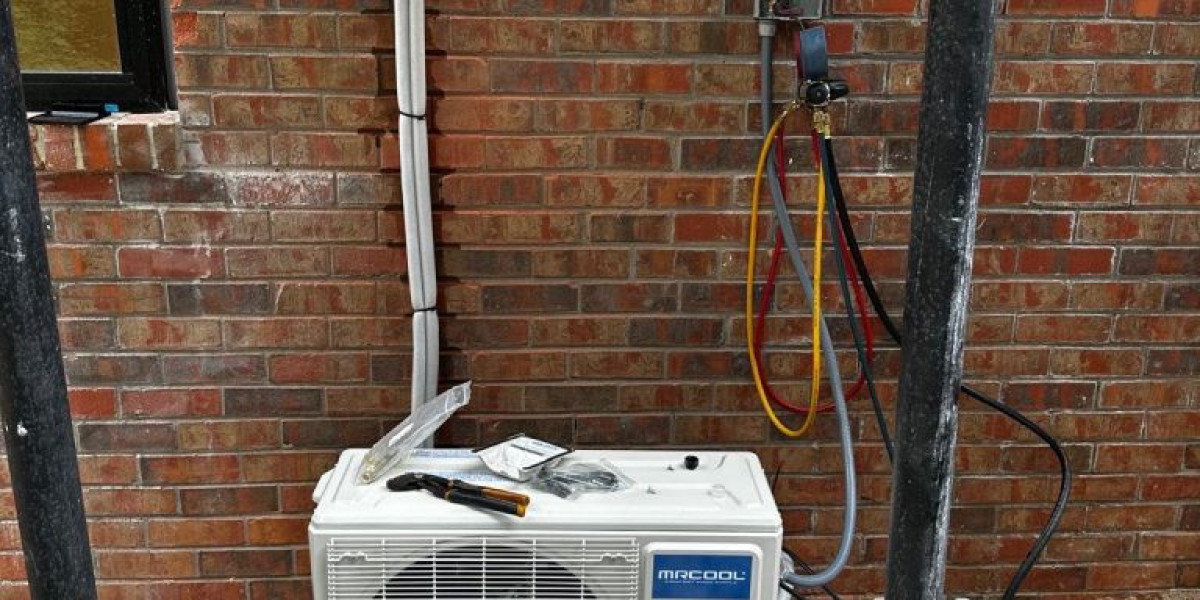

Managing home indoor comfort in Gwinnett County demands an efficient, well-maintained climate control system. Lilburn experiences dramatic seasonal weather variations, ranging from muggy, high-humidity summer days with temperatures reaching well into the upper nineties to freezing winter spells. When an air conditioner stalls during a summer heatwave or a heating unit fails in January, homeowners need immediate, reliable assistance. Selecting a skilled contractor ensures your HVAC equipment operates safely, efficiently, and reliably throughout the year.
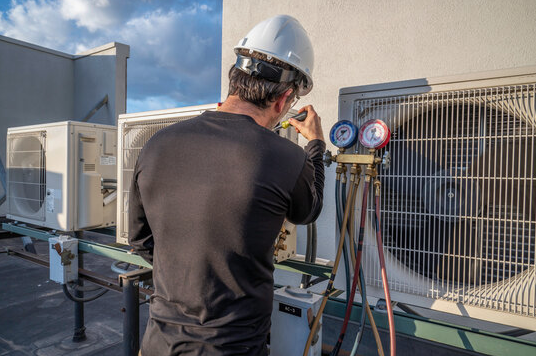
Evaluating service providers requires looking beyond basic advertisements to check technical credentials, transparent business practices, and local expertise. The following guidelines outline how to select a qualified heating and cooling specialist in Lilburn, Georgia.
1. Confirm Georgia State Licensing and Professional Accreditations
The first step in evaluating any contractor is verifying proper legal authorization and industry accreditations. In Georgia, any contractor performing conditioned air work must hold an active license issued by the Georgia State Construction Industry Licensing Board. This license ensures the contractor has passed comprehensive technical examinations, demonstrated required field experience, and carries mandatory liability and workers' compensation coverage.
In addition to state licenses, look for key professional certifications:
NATE Certification: Demonstrates verified expertise in servicing heating, ventilation, air conditioning, and refrigeration systems.
EPA Section 608 Certification: Required by federal law for handling chemical refrigerants safely and legally.
Manufacturer-Specific Credentials: Indicates specialized training on particular equipment brands and technical models.
Certified professionals follow strict industry standards, protecting your property against improper installations and electrical hazards.
2. Choose Specialists Experienced with High-Desert and Subtropical Climate Demands
Regional weather patterns dictate specific HVAC system design and maintenance requirements. Lilburn presents unique challenges due to high summer humidity levels and diverse home designs—from established neighborhoods in Old Town Lilburn to newer developments off Five Forks Trickum Road.
In muggy climates, an improperly sized air conditioning unit can cool indoor spaces too quickly without running long enough to remove ambient moisture. This leaves indoor air feeling clammy and encourages mold growth inside ductwork.
Working with an experienced HVAC Professionals in Lilburn, GA ensures your system is properly calibrated for local humidity levels, duct layout configurations, and regional energy codes. A local expert will inspect airflow dynamics, insulation levels, and duct integrity to optimize overall system performance.
3. Require Itemized Estimates and Upfront Pricing
Clear pricing models protect homeowners from unexpected fees and hidden charges. Reputable contractors provide written, itemized estimates before beginning any diagnostic or repair work.
Be cautious of quotes given over the phone without a physical inspection. Modern heating and cooling equipment involves complex electrical and mechanical components that require hands-on evaluation using diagnostic instruments like multimeters and pressure gauges.
A thorough estimate should clearly detail:
Diagnosed issues and recommended repair steps.
Itemized costs for replacement parts, materials, and labor.
Diagnostic call fees and application toward repair totals.
Warranty coverage on parts and workmanship.
4. Verify Rapid Response Capabilities and Service Fleet Equipment
Equipment failures often happen without warning during severe weather conditions. Prompt service availability prevents indoor living spaces from reaching uncomfortable or unsafe temperatures.
Choosing an established local team such as On Time Heating & Cooling gives you access to well-equipped service vehicles stocked with common replacement components and diagnostic tools. Having necessary parts available on-site increases the probability of resolving equipment failures during the initial visit.
5. Review Local Customer Feedback and Track Records
Independent reviews provide valuable insight into a company's reliability, work quality, and customer service standards. Examine feedback across multiple local channels, including Google Business Profiles and trade directories.
Focus on key operational factors in customer feedback:
Punctuality: Arrival within scheduled time windows and clear communication regarding delays.
Workmanship: Complete, lasting repairs rather than temporary fixes requiring repeat visits.
Professionalism: Courteous service, clear explanations, and respectful treatment of property.
6. Demand Formal Load Calculations for System Replacements
If your home requires a new equipment installation, avoid contractors who base system sizing strictly on your old unit's specifications. Structural updates over time—such as revised insulation, upgraded windows, or added living spaces—alter a building's heating and cooling requirements.
A qualified specialist conducts a detailed load calculation, evaluating critical structural factors:
Total square footage and interior volume.
Building orientation and sun exposure.
Window efficiency ratings and sealing quality.
Insulation levels in attics, walls, and crawlspaces.
Proper equipment sizing prevents issues like short-cycling, high energy bills, and inadequate moisture control.
7. Look for Maintenance Plans and Extended Warranties
Preventive maintenance extends system life and helps avoid costly emergency breakdowns. Ask potential contractors about structured tune-up programs.
Seasonal maintenance visits typically involve:
Cleaning evaporator and condenser coils.
Clearing condensate drain lines to prevent water overflows.
Testing refrigerant levels and system pressures.
Tightening electrical connections and testing component voltage.
Inspecting heat exchangers for wear or structural cracks.
Reliable contractors stand behind their work with written labor guarantees alongside standard manufacturer parts warranties.
Conclusion
Finding a trusted heating and cooling contractor in Lilburn, GA requires reviewing state credentials, confirming transparent pricing, and selecting experts familiar with Gwinnett County's climate demands. Taking time to evaluate service standards ensures long-term home comfort, optimal energy efficiency, and reliable system performance year-round.


