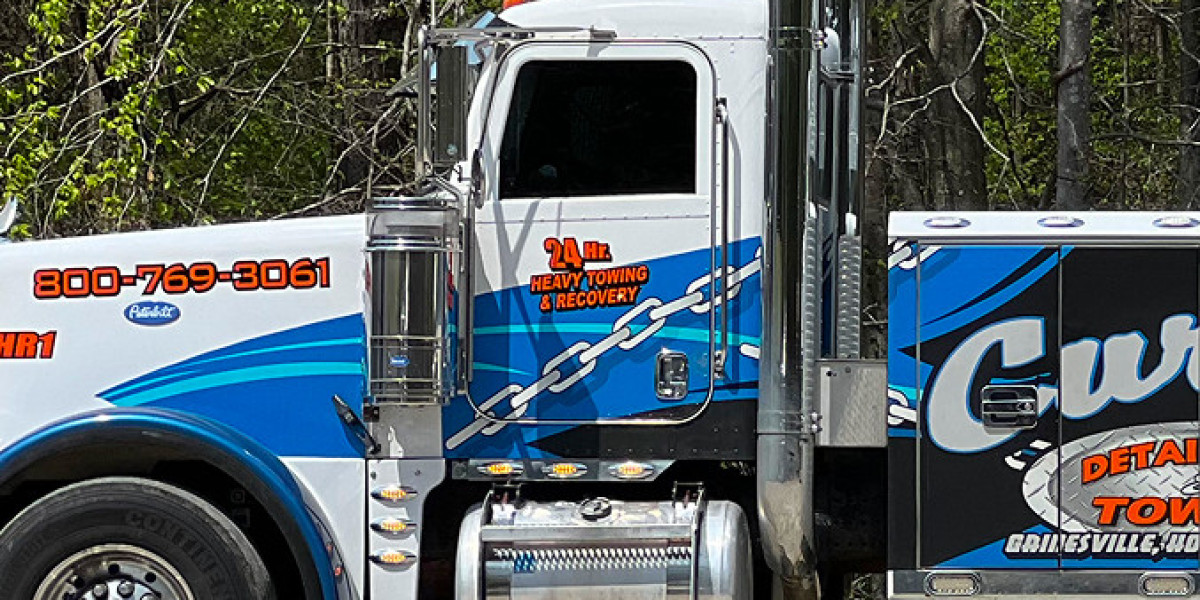

For a professional truck driver, a breakdown can happen at any time. You may be halfway through a delivery, traveling through an unfamiliar area, or carrying a time-sensitive load when your truck suddenly develops a serious problem.
The engine may stop running. A tire could fail. A collision might leave the tractor or trailer unable to move.
When that happens, Semi Truck Towing becomes an important part of getting the vehicle off the road and to a safe location.
Unlike passenger vehicles, semi-trucks require towing equipment capable of handling their size and weight. The right towing company also needs experience with commercial trucks and different types of roadside recovery.
Why Semi-Truck Towing Requires the Right Equipment
A tractor-trailer can weigh thousands of pounds, especially when the trailer is loaded. Its length, height, and overall weight make it much more difficult to move than a car or pickup truck.
A standard tow truck may not have the capacity needed for a large commercial vehicle.
Heavy-duty tow trucks are built for larger vehicles. Depending on the towing provider, they can handle semi-trucks, tractor-trailers, buses, RVs, trailers, and heavy equipment.
The type of equipment required depends on the situation. A semi sitting on a paved shoulder may need a straightforward tow, while a loaded truck stuck in a ditch may require recovery equipment before it can be transported.
Common Reasons a Semi-Truck Needs Towing
There are many reasons a commercial truck may become disabled.
Some of the most common include:
- Engine failure
- Transmission problems
- Overheating
- Electrical faults
- Tire or wheel damage
- Brake problems
- Accident damage
- Jackknifed trailers
- Trucks stuck in mud
- Vehicles that have entered a ditch
A truck does not necessarily have to be completely disabled before towing becomes necessary. Sometimes continuing to drive could cause more mechanical damage or create a safety concern.
For example, a truck with a serious tire or wheel problem may be better moved by a towing company than driven to a repair shop.
What to Do When Your Truck Breaks Down
Safety should be the first concern after a breakdown.
If the truck can be moved safely, position it away from active traffic as much as possible. Turn on hazard lights and use warning equipment when appropriate.
Be cautious when leaving the cab. A disabled semi on a highway shoulder can put the driver close to fast-moving vehicles.
If you are unable to move the truck, remain aware of the surrounding traffic and tell the towing company that the vehicle is in a potentially dangerous position.
Once you are in a reasonably safe situation, contact a towing provider that handles commercial vehicles.
Give the Towing Company the Right Information
When requesting Semi Truck Towing, clear information can help the towing company prepare for the job.
Start with your location. Provide the highway or street name, direction of travel, exit number, mile marker, or nearby landmark.
Then describe the vehicle.
Next, explain the problem.
Tell the operator if the engine has failed, a tire is damaged, the truck is stuck in mud, or an accident has occurred.
If the truck is in a ditch or on uneven ground, describe its position as clearly as possible.
These details can help the towing provider determine what equipment may be suitable for the situation.
When a Semi Needs a Recovery
Some breakdowns are simple towing jobs. Others require vehicle recovery.
Consider a loaded tractor-trailer that has slid off the roadway and become stuck in soft ground. The driver may have plenty of engine power, but the tires cannot get enough traction to move.
Trying repeatedly to drive out could make the situation worse.
A heavy-duty towing provider may use a winch or other recovery equipment to bring the truck back onto stable ground.
The operator needs to consider the truck's weight, cargo, terrain, position, and nearby obstacles before beginning the recovery.
Once the vehicle is back on solid ground, it may then be possible to tow it to a repair facility.
Semi-Truck Accident Recovery
Accidents involving tractor-trailers can present additional challenges.
A semi may be jackknifed, overturned, damaged, or blocking multiple lanes. Damage to the tractor, trailer, wheels, or suspension can affect how the vehicle should be moved.
The cargo also matters. A loaded trailer can add significant weight to the recovery.
Before moving the truck, the towing operator needs to look at its position and condition. Depending on the circumstances, winching, repositioning, or other recovery methods may be needed.
A controlled approach is particularly important when a vehicle has suffered major damage.
Why Fleet Operators Should Have a Towing Plan
For a fleet manager, one disabled truck can affect an entire delivery schedule.
A breakdown can lead to missed appointments, delayed cargo, driver downtime, and additional logistical problems.
One practical step is to choose a heavy-duty towing provider before an emergency occurs.
Fleet managers can keep the towing company's phone number in dispatch records and provide it to drivers. Basic information about the truck, such as its approximate weight and typical cargo, should also be readily available.
When a driver already knows whom to call, there is less time spent searching for help during a stressful situation.
Towing for Heavy Equipment and Trailers
Semi-truck towing services can also be useful for other large vehicles and machines.
Construction companies may need assistance when excavators, loaders, or other machinery becomes disabled at a jobsite.
Large trailers and recreational vehicles can also require heavy-duty towing equipment.
For businesses that operate large vehicles regularly, having a towing contact familiar with heavy equipment can be useful when machinery or a vehicle cannot move under its own power.
Semi Truck Towing in North Georgia
Curt's Heavy Towing provides heavy-duty towing and recovery services for commercial vehicles and equipment in North Georgia.
The company handles semi-trucks, buses, RVs, construction equipment, accident recovery, winch-outs, and load transfers.
For commercial drivers dealing with a disabled tractor-trailer, having a local towing provider experienced with large vehicles can be valuable when a truck cannot continue its route.
Be Prepared Before a Breakdown Happens
Nobody plans to spend a day waiting beside a disabled semi. Still, drivers and fleet managers can take simple steps to prepare.
Keep the contact information for a heavy-duty towing provider available. Know the basic details of the truck and be ready to provide your location, vehicle type, cargo information, and description of the problem.
When a breakdown occurs, focus on safety first and contact a towing company with equipment suitable for commercial vehicles.
Semi Truck Towing is about more than simply moving a truck. The process may involve roadside towing, winch-outs, accident recovery, or transportation to a repair facility.
For commercial drivers and businesses operating in North Georgia, having a dependable towing contact ready can save valuable time when an unexpected breakdown brings a trip to a stop.


