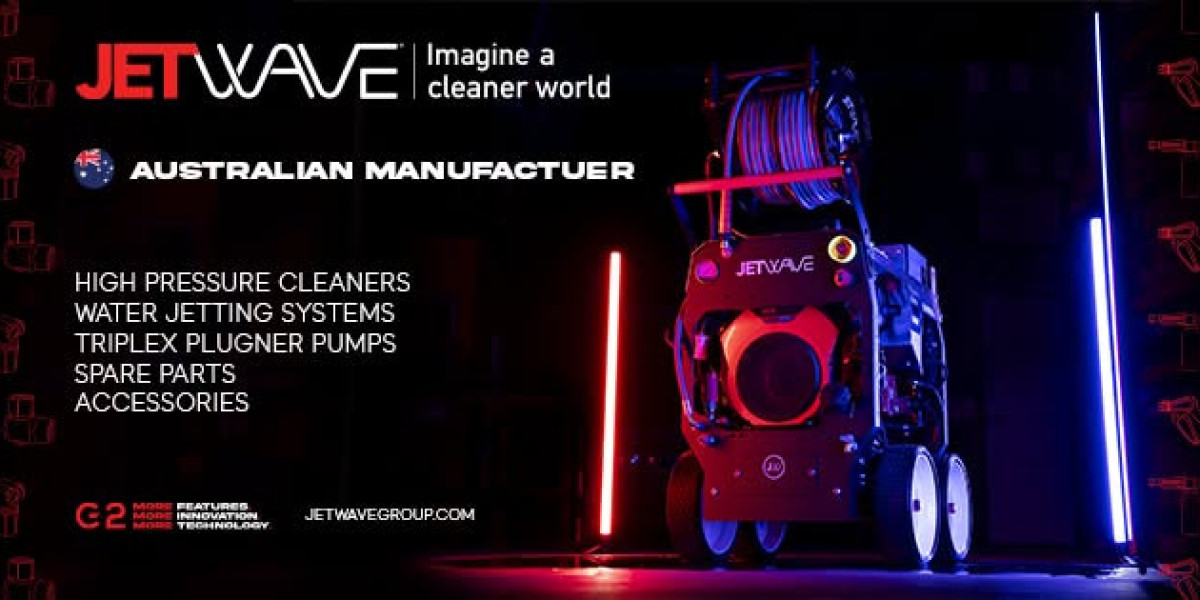

The right machine can reduce cleaning time, improve results, and provide better long-term value. However, choosing a pressure washer is not simply about selecting the model with the highest PSI. Flow rate, power source, duty cycle, water temperature, portability, accessories, and application should all be considered before making a purchase.
What Makes the Best Commercial Pressure Washer Australia?
When searching for the Best Commercial Pressure Washer Australia, businesses should first consider how and where the machine will be used. A professional pressure washer needs to match the workload rather than simply offer impressive specifications.
Commercial machines are available in different configurations, including petrol and electric models, cold and hot water systems, trolley-mounted units, skid configurations, and trailer setups. Jetwave's current range, for example, includes professional daily-use petrol cleaners and industrial continuous-use electric machines with different pressure and flow combinations.
A good commercial pressure washer should provide:
- Strong and consistent water pressure
- Suitable litres-per-minute flow
- Reliable pump and motor or engine
- Durable frame and components
- Appropriate duty cycle
- Easy transportation around the worksite
- Suitable accessories and hose options
- Safety features for professional operation
- Service and spare-parts support
Pressure vs Flow Rate: Which Matters More?
Pressure, measured in PSI or BAR, indicates the force of the water. Flow rate, generally measured in litres per minute (L/PM), indicates how much water the machine delivers.
Both specifications matter.
A high-pressure machine can break through stubborn dirt, grease, mud, and other contaminants. Meanwhile, a higher flow rate can help move loosened debris and cover larger areas more efficiently.
For example, Jetwave's Cadet G2 200-21 delivers 3000 PSI and 21 L/PM and is classified for industrial continuous use. This demonstrates why professionals should look at the complete performance specification instead of focusing on PSI alone.
A simple way to think about it:
PSI/BAR = cleaning force
L/PM = cleaning volume and productivity
For heavy-duty applications, finding the right balance between these two specifications is often more important than choosing the highest number available.
Petrol or Electric Commercial Pressure Washer?
The power source is another major consideration when selecting a commercial pressure washer.
Petrol Pressure Washers
Petrol-powered machines are particularly useful where mobility and independence from mains electricity are important. They can be practical for:
- Construction sites
- Farms and agricultural properties
- Remote work areas
- Mobile cleaning businesses
- Outdoor equipment cleaning
- Civil construction projects
Jetwave's petrol range includes professional daily-use machines such as the Hornet G2 200-21, which combines a Honda GX390 petrol engine with 3000 PSI and 21 L/PM output.
Electric Pressure Washers
Electric pressure washers can be an excellent choice for workshops, factories, warehouses, manufacturing facilities, and other locations with suitable electrical infrastructure.
Industrial electric models can be designed for continuous operation. For example, the Cadet G2 range includes three-phase electric machines designed for industrial continuous use.
The best option depends on your workplace, operating hours, available power, mobility requirements, and cleaning application.
Cold Water vs Hot Water Pressure Washers
Not every cleaning task requires heated water. Cold water systems are often effective for removing mud, dust, dirt, loose debris, and general contaminants.
Hot water pressure washers become particularly useful when dealing with grease, oil, fats, heavy grime, and other difficult contaminants.
Jetwave's range includes hot-water machines such as the Hybrid G2 275-20, which is an industrial continuous-use electric hot-water cleaner rated at 4000 PSI and 20 L/PM.
Consider hot water when cleaning:
- Greasy machinery
- Workshop floors
- Industrial equipment
- Vehicle components
- Food-related environments
- Heavy oil and grime
- Agricultural machinery
Choosing between hot and cold water should therefore depend on the type of contamination rather than simply the machine's price.
Choosing the Right Duty Cycle
One of the biggest mistakes businesses make is buying a machine that is not designed for their workload.
A domestic machine may work well for occasional cleaning, but professional businesses often need equipment capable of daily or continuous operation.
Before purchasing, determine:
- How many hours the machine will run each day
- How many days per week it will be used
- Whether several operators will use it
- Whether the machine will operate continuously
- How demanding the cleaning environment is
For example, Jetwave classifies some machines for professional daily use and others for industrial continuous operation.
Matching the duty cycle to your workload can help protect your investment and reduce unnecessary downtime.
Portability and Machine Configuration
A powerful pressure washer is only useful if operators can get it where the work needs to happen.
Trolley-mounted machines are convenient for moving around workshops, yards, and construction areas. For larger mobile operations, trailer-mounted systems can provide a more complete cleaning setup.
Jetwave's product range includes trolley, skid, cube, and trailer configurations, giving businesses different options based on their working environment.
When comparing machines, consider:
- Wheel design
- Machine weight
- Handle and frame construction
- Hose length
- Storage
- Trailer requirements
- Site accessibility
A practical configuration can make a significant difference to daily productivity.
Accessories Can Improve Cleaning Performance
The pressure washer itself is only part of a professional cleaning system. The correct accessories can make specific tasks faster and easier.
Useful accessories may include:
- High-pressure hoses
- Hose reels
- Surface cleaners
- Foam systems
- Turbo nozzles
- Different spray nozzles
- Drain-cleaning equipment
- Water jetting accessories
For example, Jetwave offers professional flat surface cleaners in different sizes and pressure ratings, including 16-inch, 21-inch, and 30-inch options.
Selecting accessories according to the application can improve coverage, operator efficiency, and cleaning consistency.
Why Pump Quality Matters
The pump is one of the most important components in a high-pressure cleaner. A professional machine needs a pump capable of delivering reliable pressure and flow over its intended duty cycle.
Jetwave's equipment uses triplex plunger pump configurations across several professional and industrial models, while its replacement pump range covers different pressure and flow requirements.
Businesses should also consider whether replacement parts and technical support are readily available. Easy access to service components can help minimise downtime when equipment requires maintenance.
Where Commercial Pressure Washers Are Used
Professional pressure washers can support a wide range of industries and applications.
Common applications include:
- Construction equipment cleaning
- Mining and industrial maintenance
- Agricultural machinery
- Commercial property maintenance
- Fleet and vehicle cleaning
- Factory floor cleaning
- Workshop maintenance
- Municipal cleaning
- Building and facility maintenance
The correct pressure washer depends heavily on the specific application. A machine designed for occasional vehicle washing may not be appropriate for continuous industrial cleaning.
How to Choose the Right Machine
Before buying, create a simple checklist.
Application: What exactly will you clean?
Frequency: How often will the machine operate?
Pressure: What PSI/BAR level is appropriate?
Flow: How much L/PM is required?
Temperature: Do you need cold or hot water?
Power: Is petrol or electric more practical?
Mobility: Will the machine stay in one location or move between sites?
Duty cycle: Is it designed for occasional, daily, or continuous use?
Support: Are servicing, accessories, and spare parts available?
Taking these factors into account can help businesses avoid paying for specifications they do not need while ensuring they do not under-buy for demanding applications.
Why Australian Businesses Need Purpose-Built Equipment
Australian working conditions can be demanding, particularly in construction, agriculture, mining, industrial maintenance, and outdoor cleaning. Equipment needs to be dependable and suitable for professional workloads.
Jetwave provides high-pressure cleaning equipment across Australia and maintains a dealer network designed to provide access to products, sales advice, servicing, and support.
This type of local support can be valuable for businesses that rely on cleaning equipment as part of their everyday operations.
Conclusion: Choosing the Right Equipment with jetwave groups
Finding the Best Commercial Pressure Washer Australia is ultimately about choosing equipment that matches your application, workload, environment, and budget. PSI is important, but it should be considered alongside flow rate, duty cycle, power source, water temperature, configuration, pump quality, and available accessories.
A well-selected commercial pressure washer can make difficult cleaning tasks faster and more manageable while providing reliable performance over the long term. Whether you need a petrol machine for mobile outdoor work, an electric system for continuous industrial cleaning, or a hot-water solution for grease and heavy contamination, choosing the right specifications is the key to getting better value from your equipment.
For businesses looking for professional cleaning solutions, jetwave groups offers a broad range of high-pressure cleaners and related equipment designed for commercial and industrial applications.
Frequently Asked Questions
1. What is the best commercial pressure washer in Australia?
The best commercial pressure washer depends on the application. Businesses should compare pressure, flow rate, power source, duty cycle, water temperature, mobility, and accessories before choosing a machine.
2. Is a petrol or electric pressure washer better for commercial use?
Both can be excellent choices. Petrol models are useful for mobile and outdoor applications where electricity may not be available, while electric models can be ideal for workshops, factories, and industrial facilities with suitable electrical supply.
3. What PSI is suitable for commercial pressure washing?
There is no single PSI suitable for every commercial application. Professional machines can range from moderate pressure for general cleaning to several thousand PSI for demanding industrial applications. The correct level depends on the surface and type of contamination.
4. Are hot water pressure washers better than cold water models?
Hot water machines can provide an advantage when removing grease, oil, fats, and heavy grime. Cold water pressure washers can be highly effective for dirt, mud, dust, and general cleaning.
5. What should I look for in a professional pressure washer?
Look at the complete system rather than one specification. Pressure, L/PM, duty cycle, pump quality, engine or motor, portability, construction, accessories, serviceability, and after-sales support should all be considered before purchasing.