
Film processing is arguably the most crucial step of the entire film processing process. An image that has been composed beautifully and expertly might lose its color balance or clarity during the process of film processing, which makes it an essential step in the whole process. The tools used during the professional film processing play a major part in the control of the whole process.
The Dip and Dunk Film Processor is a professional tool used for processing film in a series of chemical tanks. This is commonly used in photo labs that process huge amounts of film.
What Is a Dip and Dunk Film Processor?
A dip and dunk film processor is a machine that carries film through different processing solutions using a rack or hanger system. Instead of moving film through rollers, the film is suspended and dipped into chemical tanks for specific periods.
The processing stages depend on the film type. For example, C-41 color negative film generally passes through developer, bleach, fixer, washing, and drying stages. Black and white film follows a different chemical process.
The main purpose of this system is to provide controlled and repeatable film development. Time, temperature, chemical activity, and washing all affect the final result.
How Does a Dip and Dunk Film Processor Work?
The process begins when exposed film is loaded onto a rack or hanger. The machine then moves the film through a sequence of tanks.
Here is a simple overview:
Loading: The film is carefully attached to a rack or hanger.
Developer bath: The developer brings out the latent image on the film.
Bleach and fixer: For color film processing, these stages remove unwanted silver and make the image stable.
Washing: The film is washed to remove remaining chemicals.
Drying: Controlled drying prepares the film for cutting, sleeving, scanning, or printing.
Each stage requires proper chemical control. A mistake in temperature or processing time can affect the density, color, and detail of the negative.
Why Does Processing Equipment Matter for Film Quality?
Film quality is not determined by the camera and film stock alone. Processing has a direct effect on how much usable information remains in the negative.
A well maintained dip and dunk system can support:
Consistent development: Each roll receives a controlled chemical treatment.
Better exposure latitude: Proper processing helps preserve the detail captured by the film.
Accurate color: Stable chemistry is important for reliable color balance in C-41 processing.
Clean negatives: Correct washing and drying help reduce chemical residue and processing marks.
Repeatable results: Photographers can expect more consistent results across multiple rolls.
It is important to understand that a processor cannot correct every exposure or storage problem. Film that was severely overexposed, underexposed, or damaged before processing may still show limitations. Good equipment works best when combined with proper handling and skilled lab practice.
Dip and Dunk vs. Roller Transport Processing
Both dip and dunk and roller transport systems are used in professional film labs. They are designed differently and each has its own advantages.
Dip and dunk systems suspend film in chemical baths. This reduces direct contact with transport rollers during the chemical stages. Roller transport systems move film through solutions using rollers that guide it through the machine.
For labs handling professional film orders, the choice depends on factors such as:
Film format and processing volume
Required turnaround time
Maintenance needs
Chemical control
Film handling preferences
The quality of the final result depends on the complete process rather than the machine name alone. Chemistry, temperature, maintenance, and operator experience all matter.
What Should You Look for in a Professional Film Lab?
When choosing a lab for film development, I recommend looking beyond price and turnaround time. Ask how the lab handles your film and what quality controls are in place.
Important questions include:
Does the lab process your film type in dedicated chemistry?
Does it support C-41, black and white, or E6 film processing?
How does it control chemical temperature and activity?
Does it offer high resolution film scanning?
Can it provide proof sheets or prints?
How does it package negatives after processing?
These details are especially important for photographers who plan to scan, print, or archive their negatives.
Professional Film Processing at The Icon
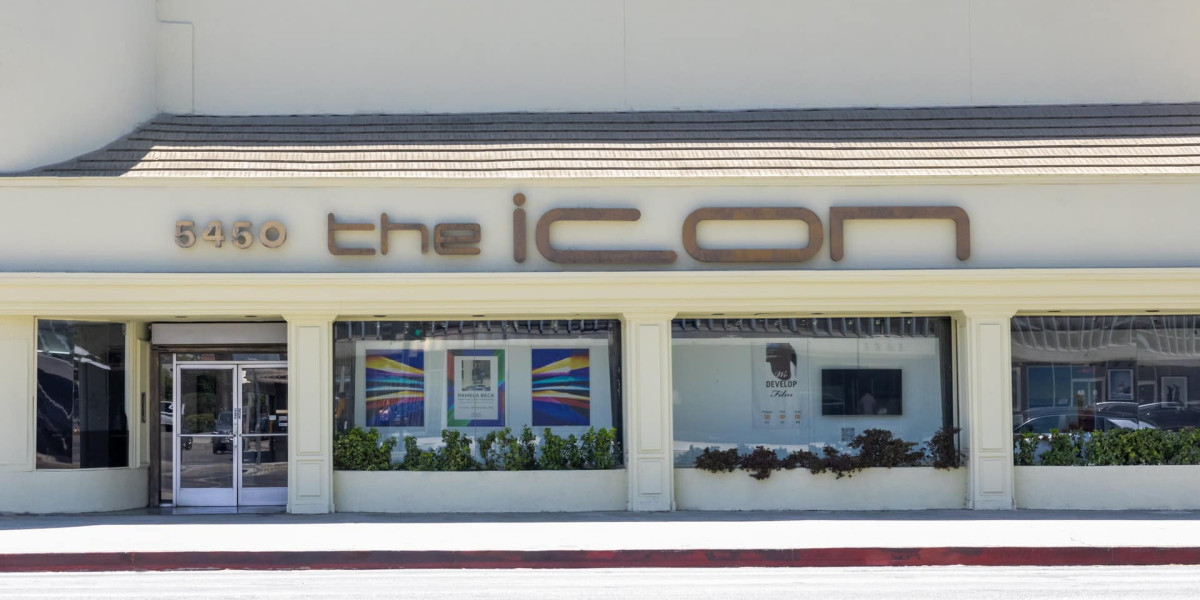
At The Icon, a Los Angeles based photo lab, we understand that film processing is an important part of the photographic workflow. We work with photographers and creatives who need reliable results for both personal and professional projects.
The following are among the services we offer; film development, film scanning and printing for a wide range of films. When sending film through the mail or dropping in at the lab, it is very important to have good handling and communication.
When you want to get your film processed professionally, then it is advisable to use a lab that is staffed with experts in the field along with the right equipment and quality control.
Final Thoughts
A Dip and Dunk Film Processor supports consistent film development by controlling how film moves through chemical baths. Its role is important because accurate processing helps preserve image detail, color, and negative quality.
Nevertheless, equipment is not the whole story. Expert handling, new chemistry, proper temperature, and accurate testing are just as critical. In combination, all of these factors enable photographers to be presented with negatives that are fully prepared for digitization and printing.