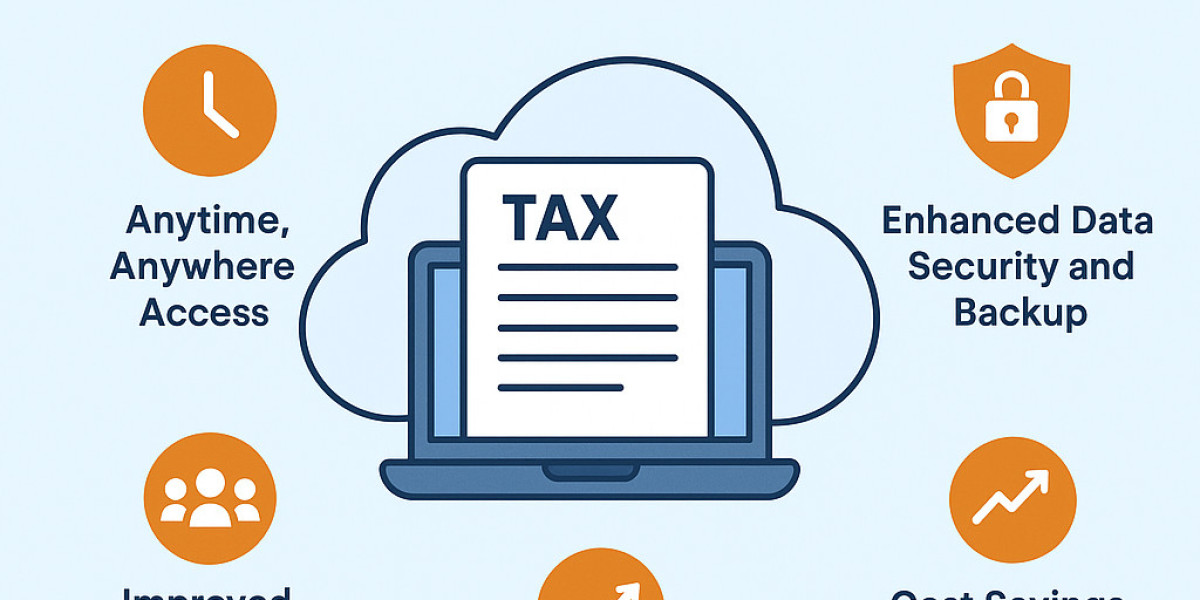

For CPA firms, having quality technology is as crucial as having quality accounting knowledge. In the tax season, people rely on their software to handle everything from return processing to record keeping to collaboration with their colleagues without any hitches. Selection of an ideal Tax Software Hosting will determine the productivity, safety, and effectiveness of a business.
One of the most frequently made selections is whether the firm should host on a dedicated server or shared cloud hosting. Even though both hosting options enable tax software to be hosted in the cloud, there is a difference between them regarding various parameters like performance, security, scalability, and pricing.
What Is Tax Software Hosting?
Tax Software Hosting means that you can use your tax software from secure cloud-based servers rather than running them on office computers. In addition, anyone who is authorized can access their software and client information from any location through the Internet connection.
Tax Software Hosting becomes even more useful for CPA firms since it helps to work remotely and collaborates easily.
Understanding Shared Cloud Hosting
In a shared cloud hosting environment, multiple businesses use the same physical server while operating in isolated and secure virtual environments. Resources such as storage, memory, and processing power are shared efficiently among users.
Benefits of Shared Cloud Hosting
Lower monthly costs
Quick deployment
Minimal IT management
Automatic software updates
Secure remote access
Ideal for small and mid-sized CPA firms
For firms with moderate workloads and a limited number of users, shared hosting provides a cost-effective way to access tax software without investing in expensive hardware.
Potential Limitations
Although shared hosting is secure and reliable, server resources are divided among multiple users. During periods of extremely heavy workloads, firms with high processing demands may notice performance limitations compared to dedicated environments.
Understanding Dedicated Server Hosting
A dedicated server provides an entire physical server exclusively for one organization. All computing resources are reserved for a single business, offering maximum performance and greater control over the hosting environment.
Benefits of Dedicated Server Hosting
Exclusive server resources
Faster application performance
Greater customization options
Enhanced control over security policies
Better support for large databases
Excellent performance during peak tax season
Dedicated servers are often preferred by larger CPA firms that manage thousands of client files or operate multiple office locations.
Potential Limitations
The primary consideration is cost. Dedicated hosting generally requires a higher monthly investment than shared cloud hosting. It may also involve additional planning for resource allocation, although many managed hosting providers handle server maintenance on behalf of the client.
Dedicated Server vs. Shared Cloud Hosting
Performance
Dedicated servers offer consistently high performance because all hardware resources belong to a single organization. Shared hosting performs well for most firms but distributes resources across multiple customers.
Best Choice: Dedicated Server for large firms with demanding workloads.
Security
Both hosting environments can provide enterprise-grade security, including data encryption, firewalls, multi-factor authentication (MFA), and regular backups. A dedicated server offers additional control over security configurations and compliance requirements.
Best Choice: Tie, with dedicated servers offering greater customization.
Cost
Shared cloud hosting is generally the more affordable option, making it attractive for startups, solo CPAs, and smaller accounting practices.
Dedicated servers require a larger investment but deliver greater performance and flexibility.
Best Choice: Shared Cloud Hosting for budget-conscious firms.
Read More: Sage Hosting
Scalability
Both solutions can scale as a business grows. Shared hosting allows firms to upgrade plans easily, while dedicated servers can be expanded with additional resources or integrated into larger cloud environments.
IT Management
Most managed Tax Software Hosting providers handle server monitoring, updates, backups, and security regardless of the hosting model. This allows accounting firms to focus on serving clients instead of maintaining infrastructure.
Which Option Is Best for Your CPA Firm?
Choose Shared Cloud Hosting if your firm:
Has a small or medium-sized team
Wants predictable monthly costs
Needs secure remote access
Doesn't require extensive server customization
Wants a simple, fully managed hosting solution
Choose a Dedicated Server if your firm:
Supports many concurrent users
Works with large client databases
Requires high-performance computing
Has strict compliance or security requirements
Needs greater control over the hosting environment
Why More CPA Firms Are Moving to Tax Software Hosting
Regardless of whether you choose a dedicated server or shared hosting, cloud-based Tax Software Hosting offers significant advantages over traditional desktop environments.
These include:
Secure access from anywhere
Real-time collaboration among team members
Automatic backups and disaster recovery
Improved business continuity
Reduced hardware and maintenance costs
Simplified software updates
Enhanced productivity during peak tax season
As accounting firms continue embracing digital transformation, cloud hosting has become an essential part of modern tax practices.
Final Thoughts
The decision between a dedicated server and shared cloud hosting depends on your firm's size, budget, and workload. Smaller CPA firms often benefit from the affordability and simplicity of shared hosting, while larger organizations may find that a dedicated server delivers the performance and control they need during busy tax seasons.
No matter which option you choose, investing in Tax Software Hosting helps improve efficiency, strengthen data security, support remote collaboration, and reduce IT complexity. By selecting the right hosting environment today, your firm will be better prepared to meet client expectations and handle future growth with confidence.
Read More Blog: https://www.buzzbii.com/read-blog/133719_top-benefits-of-hosting-tax-software-on-the-cloud-during-peak-tax-season.html


