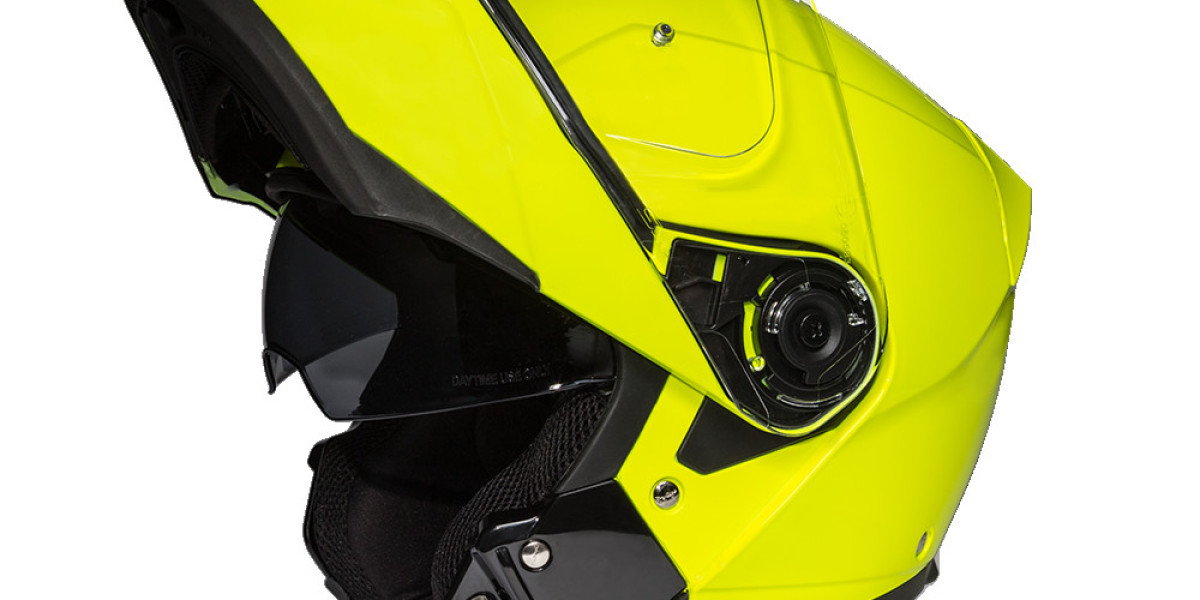

Motorcycle safety has advanced significantly over the past decade, with helmet technology becoming more sophisticated than ever before. Riders today have access to a wide range of designs, materials, and certification standards that help improve comfort while reducing the risk of head injuries during accidents. Whether commuting through city streets or embarking on long-distance highway rides, selecting appropriate head protection remains one of the most important decisions a motorcyclist can make.
Different helmet styles serve different riding preferences, but safety standards should always remain a priority regardless of appearance. Understanding the relationship between helmet design and certification can help riders make informed choices based on their individual needs.
Why Helmet Certification Matters
A motorcycle helmet is more than just an accessory. It is engineered to absorb impact energy, reduce rotational forces, and protect the rider's head during collisions. Independent testing organizations evaluate helmets against strict performance requirements before manufacturers can claim compliance with recognized safety standards.
Among the most widely recognized standards are those established in Europe and North America. These certifications evaluate impact resistance, strap strength, field of vision, penetration resistance, and other critical safety factors.
Many riders specifically look for ECE motorcycle helmet certification because it requires helmets to pass comprehensive laboratory testing before reaching consumers. Certification labels provide reassurance that the helmet has met established safety benchmarks rather than relying solely on manufacturer claims.
Evolution of European Helmet Standards
The European Economic Commission (ECE) has updated helmet regulations over time to reflect advances in safety research and accident analysis.
For many years, the ECE 22.05 motorcycle helmet represented the primary European safety standard and became widely accepted across numerous countries. Helmets carrying this certification successfully completed testing for impact absorption, retention systems, and visor performance.
More recently, the introduction of ECE 22.06 motorcycle helmets brought even stricter testing procedures. The updated protocol evaluates helmets using multiple impact locations, various speeds, and additional rotational impact assessments. As a result, newer certified helmets are generally tested under more demanding conditions than previous generations.
Many manufacturers have gradually transitioned their product lines to meet these newer requirements while continuing to improve rider comfort and ventilation.
Comparing Different Helmet Designs
Helmet style often depends on riding habits, climate, and personal preference.
Open Face Motorcycle Helmets remain popular among touring riders and urban commuters because they provide excellent visibility and increased airflow. Their classic appearance continues to attract riders who value comfort during warm-weather rides.
For those seeking a lightweight option with a minimalist profile, Half Shell Motorcycle Helmets are commonly chosen for relaxed cruising and short-distance travel. These helmets offer a distinctive look while maintaining basic head coverage.
Similarly, Skull Cap Motorcycle Helmets appeal to riders who appreciate compact designs that reduce overall weight and create a low-profile appearance. Their streamlined construction makes them a recognizable choice within many cruiser communities.
Although each helmet style differs in coverage, riders should always verify that any model meets applicable safety certifications before purchase.
Understanding Dual-Certified Helmets
Motorcyclists who travel internationally or simply want broader compliance often consider DOT and ECE certified helmets. These products satisfy both North American DOT requirements and European ECE testing protocols.
Dual certification may provide added confidence for riders purchasing helmets intended for different markets or planning international riding experiences. While certification alone cannot guarantee injury prevention, independently tested helmets generally provide greater assurance than uncertified alternatives.
The Importance of Proper Helmet Fit
Even the highest-rated helmet cannot perform effectively if it does not fit correctly.
A properly fitted helmet should:
Sit level on the rider's head.
Remain secure without excessive movement.
Create firm but comfortable contact around the cheeks and crown.
Maintain a securely fastened chin strap during use.
A loose helmet may shift during an accident, reducing its protective capability. Conversely, a helmet that is excessively tight can create discomfort that distracts the rider during long journeys.
Helmet manufacturers typically provide sizing guides to help riders measure head circumference before selecting the appropriate size.
Materials Behind Modern Head Protection
Today's Premium Motorcycle Head Protection relies on advanced engineering rather than appearance alone.
Common construction materials include:
Polycarbonate composites
Fiberglass shells
Carbon fiber laminates
Multi-density EPS impact liners
Moisture-wicking interior padding
Reinforced retention systems
These materials work together to distribute impact energy while improving durability and rider comfort. Continuous research has also led to better ventilation systems, removable liners, improved visor mechanisms, and lighter overall helmet weights.
Choosing Protective Riding Equipment
Helmet selection should always complement the rider's complete protective gear. Jackets, gloves, boots, and riding pants all contribute to overall safety, but the helmet remains the primary defense against serious head injuries.
Many experienced riders prioritize Protective Riding Helmets that combine certified safety performance with comfort features suitable for extended riding. A helmet that feels comfortable throughout an entire journey is more likely to be worn consistently.
Likewise, Biker Safety Helmets are available across numerous styles, allowing riders to balance appearance with certified protection rather than sacrificing one for the other.
What Does "ECE Rated" Mean?
Consumers frequently encounter the phrase ECE rated motorcycle helmets while researching new gear. This designation generally indicates that a helmet has successfully met the testing requirements established under the applicable European ECE regulation.
Before purchasing, riders should verify that certification markings are genuine and correspond to current regulations. Authentic certification labels are typically located inside the helmet and include identifying information required by regulatory authorities.
Looking Beyond Style
Helmet graphics, finishes, and brand reputation often influence purchasing decisions, but safety testing should remain the foundation of any comparison.
When evaluating helmets, riders should consider:
Current certification status
Proper fit
Intended riding environment
Ventilation performance
Weight
Replacement recommendations
Build quality
Long-term comfort
Balancing these factors helps ensure that the selected helmet supports both everyday usability and protective performance.
Conclusion
Motorcycle helmets continue to evolve as manufacturers adopt improved materials, refined designs, and more demanding safety standards. From Open Face Motorcycle Helmets designed for comfort to compact Half Shell Motorcycle Helmets and lightweight Skull Cap Motorcycle Helmets, riders have numerous options available to suit different riding styles.
Regardless of design preference, choosing helmets that meet recognized standards—whether through ECE motorcycle helmet certification, the long-established ECE 22.05 motorcycle helmet standard, the newer ECE 22.06 motorcycle helmets requirements, or DOT and ECE certified helmets—helps riders make informed safety decisions. By combining certified protection with proper fit and responsible riding habits, motorcyclists can significantly improve their overall level of head protection on every journey.


