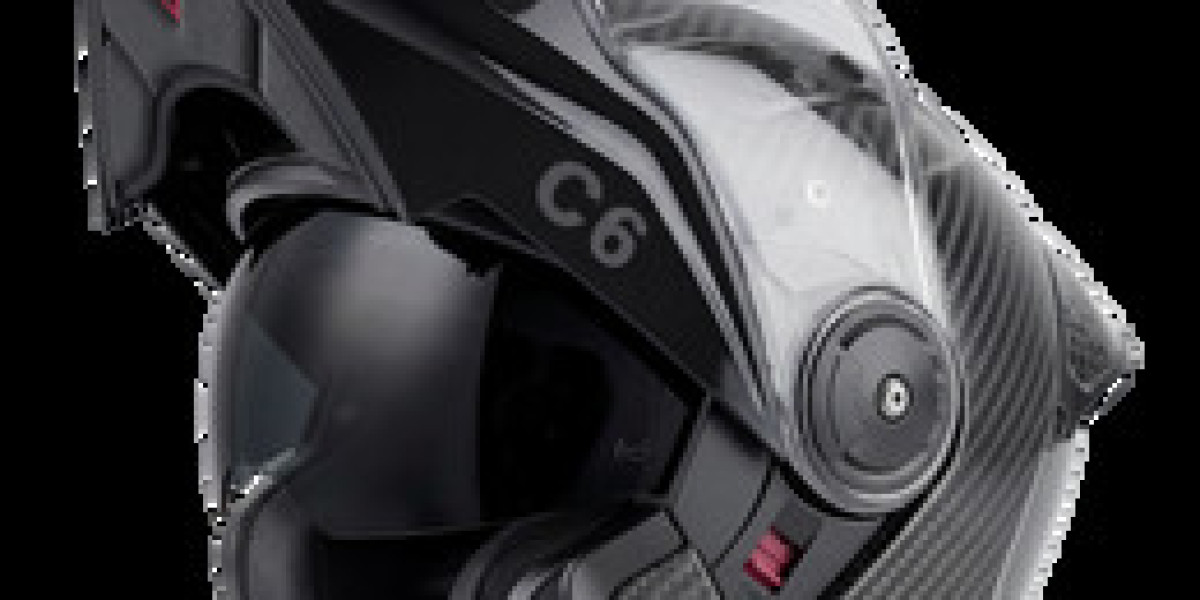

Motorcycle helmets have undergone remarkable changes over the years. What began as basic protective gear has developed into highly engineered equipment designed to improve rider safety, reduce fatigue, and enhance overall comfort. Alongside these technical improvements, helmet styling has also evolved, giving riders access to products that combine protective performance with distinctive visual appeal. Understanding how modern helmets are designed helps riders make informed decisions based on safety rather than appearance alone.
Engineering Plays a Bigger Role Than Ever
Every quality motorcycle helmet is built around the goal of managing impact energy. Manufacturers use carefully selected shell materials and energy-absorbing liners to help reduce the forces transmitted to the rider's head during an accident.
Among the most widely recognized options are DOT motorcycle helmets, which are manufactured to comply with U.S. Department of Transportation safety regulations. These standards establish minimum performance requirements for helmets intended for use on public roads.
Advances in manufacturing have also allowed companies to create lighter helmets without compromising structural strength.
Materials Continue to Improve Helmet Performance
Modern helmets utilize a range of materials depending on their intended purpose and price category. Injection-molded polycarbonate offers durability at an affordable cost, while fiberglass composites provide an excellent balance between weight and strength. Premium models often incorporate carbon fiber to further reduce weight while maintaining impressive impact resistance.
These improvements benefit riders during both daily commuting and long-distance touring by minimizing neck strain over extended periods.
Proper Certification Supports Rider Confidence
Helmet certification provides buyers with reassurance that a product has been manufactured to meet established testing requirements. Many consumers specifically look for DOT certified motorcycle helmets because they have been produced in accordance with recognized federal safety standards.
Certification evaluates factors such as impact absorption, penetration resistance, and retention system effectiveness. Rather than relying on marketing claims alone, riders can use certification as one of the primary factors when comparing available options.
Styling Has Become an Important Part of Helmet Design
Although protection remains the main objective, helmet appearance continues to influence purchasing decisions. Manufacturers now produce models with modern graphics, matte finishes, retro-inspired designs, and aerodynamic shapes that appeal to a wide range of riders.
For enthusiasts seeking a more aggressive appearance, a badass motorcycle helmet may feature bold artwork, sculpted shell designs, or dark color schemes that complement cruiser, touring, or custom motorcycles.
The availability of numerous design choices allows riders to select equipment that matches their preferences while maintaining protective functionality.
Comfort Features Improve Everyday Riding
Long rides place continuous demands on both the rider and the helmet. Today's helmets often include ventilation systems that direct airflow across the scalp while helping remove heat and moisture from the interior.
Removable liners simplify cleaning, moisture-wicking fabrics improve comfort in warm weather, and multiple shell sizes provide a more precise fit for different head shapes.
These ergonomic improvements encourage riders to wear their helmets consistently because comfort becomes less of a barrier during extended trips.
Understanding DOT Approval Before Purchasing
Consumers frequently encounter products advertised with different descriptions, making it helpful to understand certification terminology.
Many riders specifically search for DOT approved motorcycle helmets because DOT approval indicates that the helmet has been manufactured to satisfy federal safety requirements for road use in the United States. Confirming certification labels and purchasing from reputable manufacturers helps reduce the risk of selecting products that focus primarily on appearance instead of protective performance.
Personal Expression Continues to Shape Helmet Trends
Motorcycling has always included an element of personal identity, and helmets have become one of the most visible ways riders express their individual style.
Some riders prefer a sleek touring appearance, while others look for a badass helmet featuring custom-inspired graphics, low-profile silhouettes, or unique paint finishes. These visual elements allow riders to personalize their equipment without necessarily affecting its protective capabilities.
As helmet technology continues to advance, manufacturers increasingly offer both stylish and safety-focused designs within the same product lines.
Different Riding Communities Have Different Preferences
The motorcycle community includes commuters, touring enthusiasts, sport riders, adventure riders, and cruiser owners, each with different equipment priorities.
Within the cruiser segment, badass biker helmets often emphasize classic styling, vintage-inspired finishes, or bold graphics that complement custom motorcycles. Meanwhile, touring and sport riders may prioritize lightweight construction, noise reduction, and aerodynamic efficiency.
Regardless of riding style, selecting a helmet that fits correctly and meets recognized safety standards remains far more important than choosing one based solely on its appearance.
Choosing a Helmet with Long-Term Value
A motorcycle helmet should be viewed as an investment in rider protection rather than simply another riding accessory. Factors such as certification, fit, ventilation, visibility, weight, and construction quality all contribute to its long-term value.
Modern helmet technology makes it possible to enjoy advanced safety features while selecting designs that reflect individual tastes. By focusing first on certified protection and then on personal style, riders can confidently choose helmets that provide dependable performance throughout years of regular riding.
Conclusion
Motorcycle helmets continue to evolve through advancements in safety engineering, materials, and rider-focused design. While bold aesthetics and distinctive styling may attract attention, certified protection should always remain the primary consideration when selecting a helmet. Whether a rider prefers a modern performance design or a more badass helmet appearance, choosing DOT certified motorcycle helmets or other DOT approved motorcycle helmets helps ensure the helmet has been manufactured to meet recognized safety standards. By balancing comfort, proper fit, and proven protection with personal style, riders can make informed decisions that support both confidence and safety on every journey.


