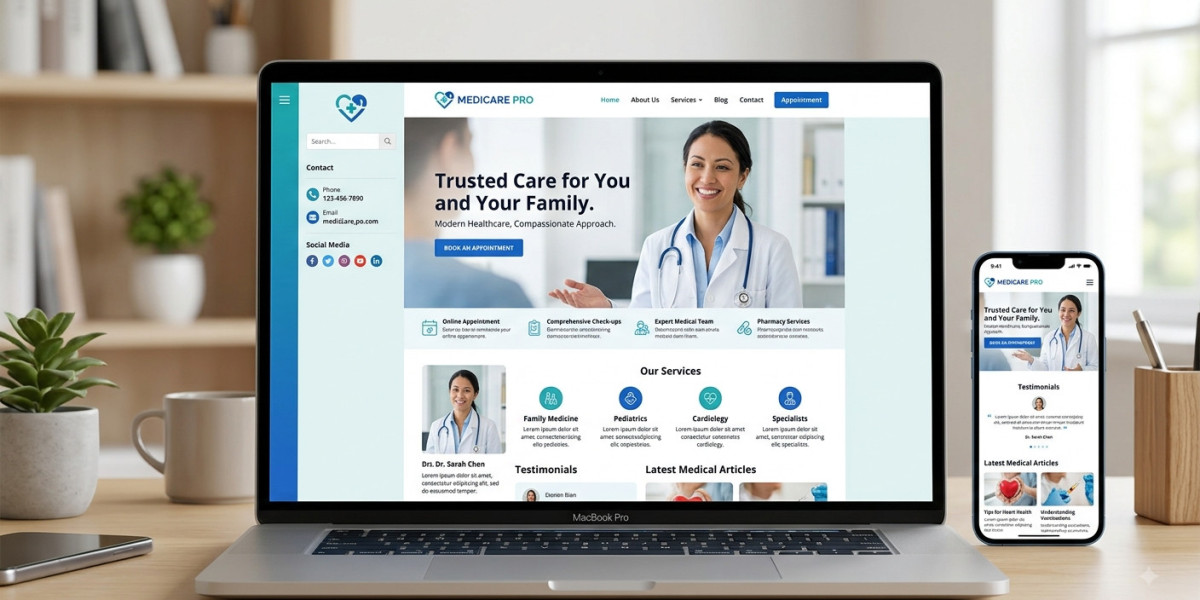

A service page on a medical website often ends up being one paragraph, a vague description of what the service is, and a "contact us" button at the bottom. That might technically check the box of having a page for each service, but it doesn't actually help a patient understand what they're looking at, whether it applies to them, or what to expect if they book it. A Medical Doctor WordPress Theme can help create detailed service pages with clear descriptions, benefits, preparation information, FAQs, and appointment options, making healthcare services easier for patients to understand.
A medical doctor WordPress theme built to support genuinely clear service pages gives each offering the structure it needs to actually inform, not just exist as a placeholder in your navigation menu.
Why Service Pages Deserve More Structure Than They Usually Get
Individual service pages are often where patients make their final decision to reach out. A vague, thin page at this critical point can undo all the trust built elsewhere on your site.
Service Pages Are Often the Last Step Before Contact
By the time a patient reaches a specific service page, they're usually close to deciding whether to book. A clear, informative page can be the deciding factor, while a thin, vague one can send them back to searching.
Different Services Need Different Levels of Detail
A routine checkup page doesn't need the same depth as a page explaining a specialized procedure. Structure needs to flex based on complexity, rather than using one generic template for every single service regardless of how much explanation it actually requires.
Building a Clear Service Page Structure
Starting With a Plain-Language Overview
Leading each page with a brief, accessible explanation of what the service is and who it's typically for gives every visitor a quick, clear starting point before diving into more specific detail.
Explaining Who the Service Is Right For
Rather than assuming visitors already know if a service applies to them, briefly describing typical symptoms, conditions, or situations that lead someone to this particular service helps them self-identify more confidently.
Outlining What the Service Actually Involves
A clear, step-by-step or bullet-point explanation of what happens during the service, consultation, procedure, follow-up removes uncertainty about the actual experience.
Adding Practical Details Patients Actually Want
Expected Appointment Length
Letting patients know roughly how long a visit or procedure takes helps them plan their schedule and reduces uncertainty about what to expect time-wise.
Preparation Instructions Specific to the Service
Clear guidance on what patients need to do beforehand, fasting, bringing certain records, and avoiding specific medications prevents confusion or a poorly prepared appointment.
What Happens During Recovery or Follow-Up
For services involving any recovery period or follow-up care, briefly explaining what to expect afterwards helps patients feel prepared rather than caught off guard.
Addressing Common Questions Directly on the Page
Explaining Potential Risks or Side Effects Honestly
Where relevant, briefly and honestly addressing potential risks or common side effects, without alarming language, builds trust through transparency rather than leaving patients to wonder or assume the worst.
Clarifying Insurance and Cost Considerations
Noting whether a service is typically covered by insurance or general cost expectations helps patients understand the practical side of their decision without needing to call and ask.
Addressing Why This Approach Is Recommended
Briefly explaining why a particular service or approach is typically recommended for certain situations demonstrates thoughtful, expert reasoning rather than a one-size-fits-all offering.
Visual Features That Support Clear Service Pages
Simple Diagrams for Procedures or Treatments
For more complex or unfamiliar services, a simple visual explanation can make the process easier to understand than a text description alone, particularly for patients unfamiliar with medical terminology.
Icons Summarizing Key Details
Simple icons representing appointment length, preparation needs, or recovery time let visitors quickly scan essential information without reading through a full paragraph for each detail.
Photos Reflecting the Actual Service Environment
Genuine photos relevant to the specific service, equipment, and treatment room help patients feel more familiar and prepared before their visit.
Read More: Best Hospital WordPress Theme for Clinics & Medical Centers
Making Service Pages Consistent Across the Site
Using the Same Structural Template Throughout
Applying a consistent format across all service pages- overview, who it's for, what to expect, next steps- helps patients quickly learn where to find specific information regardless of which service they're viewing.
Maintaining Consistent Tone and Detail Level
Ensuring similar services receive comparable levels of detail prevents some pages from feeling thorough and reassuring while others feel thin and neglected by comparison.
Connecting Service Pages to Relevant Providers
Linking to Providers Who Offer That Specific Service
Connecting each service page directly to relevant provider bios helps patients understand who they'll actually be working with, adding a personal element to what might otherwise feel like a generic service description.
Explaining Provider-Specific Expertise for Specialized Services
For more specialized services, briefly noting relevant provider expertise reassures patients that they're being matched with genuinely qualified care for that specific need.
Adding Clear Next Steps to Every Page
Obvious Calls to Action
Once a patient understands a service, a clear next step, "Schedule This Service" or "Request a Consultation", keeps momentum going rather than leaving them to figure out what to do next on their own.
Explaining What Happens After Booking
Briefly outlining what to expect after requesting an appointment for this specific service reduces uncertainty and reinforces a sense of organized, professional care.
FAQ Sections Specific to Individual Services
Addressing Questions Unique to That Service
Rather than relying solely on a general practice-wide FAQ, service-specific questions, addressed directly on the relevant page, give patients immediate answers exactly where they're already looking for them.
Mobile Presentation of Service Page Content
Since many patients research specific services from their phones, ensuring that structured content, diagrams, and next steps display clearly on mobile keeps these pages genuinely useful regardless of device.
Conclusion
Clearer doctor service pages don't require more marketing language, they require better structure: a plain-language overview, practical details, honest answers to common concerns, and an obvious next step. Through consistent templates and thoughtful organization, a well-built medical doctor WordPress theme turns thin, generic service listings into genuinely informative pages that help patients make confident decisions. This kind of clarity-focused structure is exactly what you'll find supported in premium WordPress templates designed for medical and healthcare providers, helping every service page do its part in guiding patients toward the right care.
Frequently Asked Questions
1. Should every service page follow the exact same structure, even for very different services?
Generally yes, a consistent template helps patients quickly find familiar information regardless of the specific service, though the depth of detail can flex based on complexity.
2. Is it necessary to explain potential risks or side effects on a service page?
Yes, when relevant, honest information builds trust through transparency, and patients generally appreciate straightforward communication over vague or avoided topics.
3. How much detail should be included about appointment preparation?
Enough that a patient can confidently prepare without guessing, covering anything relevant like fasting requirements, necessary paperwork, or medication considerations specific to that service.
4. Should service pages include pricing information, even if it's general?
Yes, at least general cost expectations or insurance coverage notes help patients understand the practical side of their decision without needing to call and ask.
5. Does linking service pages to specific providers really add value?
Yes, it helps patients understand who they'll actually be working with, adding a personal, reassuring element to what might otherwise feel like a generic service description.


